


Have you ever looked at a glass of crystal-clear water and wondered how it got that way? Water purification isn't magic; it’s a sophisticated combination of physics and chemistry. Depending on the contaminants in your Texas home, different technologies work together to "scrub" the water clean. Here is the breakdown of the three primary principles of water purification.
1. Physical Filtration (The "Fine Sieve" Principle) This is the most intuitive method. Imagine a very fine kitchen strainer. In water treatment, we use materials like PP cotton or ceramic membranes with microscopic pores.
-
How it works: Larger particles like sand, rust, and sediment are physically blocked because they are simply too big to fit through the tiny holes.
-
The "Gold Standard": Reverse Osmosis (RO) uses high pressure to force water through a membrane so tight that even bacteria and viruses can't pass through.
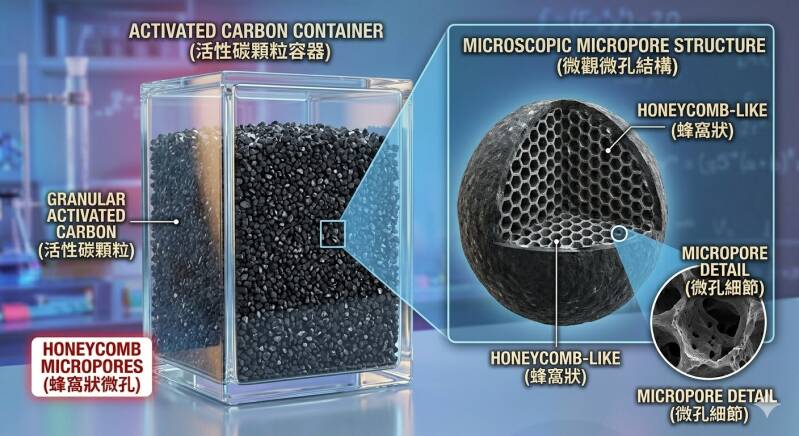
2. Chemical Adsorption (The "Sponge" Principle) Some contaminants, like chlorine or pesticides, are dissolved in the water and can't be "strained" out. This is where Activated Carbon comes in.
-
How it works: Activated carbon is like a high-tech sponge with millions of tiny "cracks." Through a process called adsorption, chemicals and odors stick to the surface of the carbon as the water flows over it, leaving the liquid clean and tasteless.
3. Ion Exchange (The "Magnet" Principle) This is the core principle of Water Softeners.
-
How it works: The system uses resin beads that act like tiny magnets. These beads are "pre-loaded" with sodium ions. When hard water minerals (calcium and magnesium) pass by, the resin pulls them in and "swaps" them for the harmless sodium. This effectively removes the hardness that causes scale.
Conclusion: A truly effective purification system, like those provided by Aqua Tech Texas, combines these principles into a "multi-stage" approach to ensure every glass is as pure as nature intended.
Call to Action: Want to see these principles in action at your own kitchen tap? Contact Aqua Tech Texas today for a demonstration and find the perfect system for your home!
Add comment
Comments