

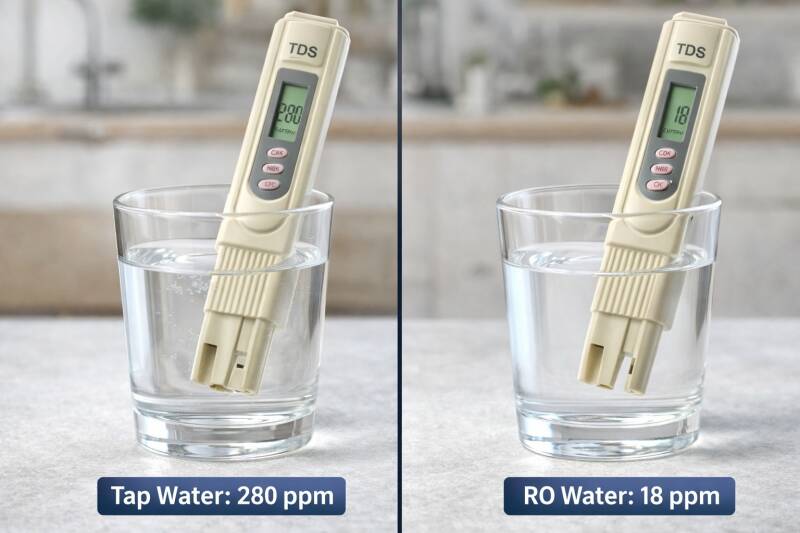
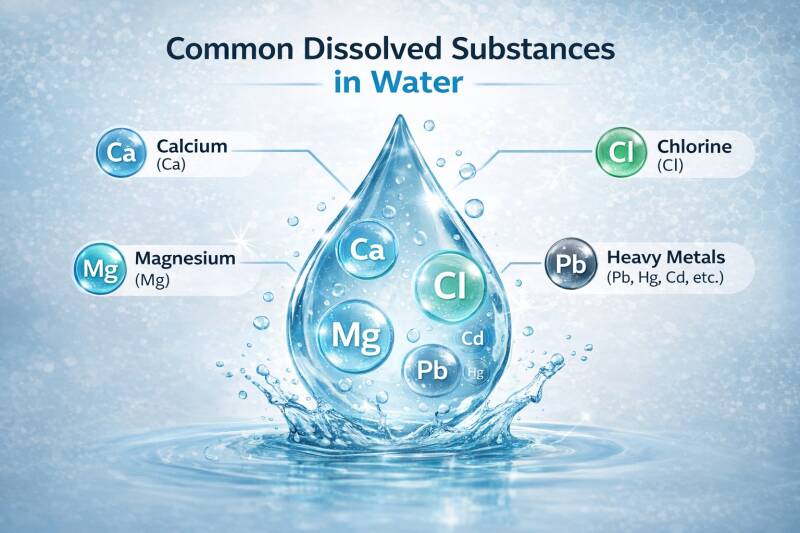
Have you ever wondered what’s actually hidden in a clear glass of tap water? While the water looks transparent, it contains tiny dissolved particles called TDS (Total Dissolved Solids). Think of TDS as a "purity score"—it tells you the total concentration of minerals, salts, and metals in your water. In Texas, where groundwater is rich in minerals, knowing your TDS level is the first step to ensuring your family’s health.
What Does the EPA Say? The U.S. Environmental Protection Agency (EPA) recommends a maximum TDS level of 500 ppm for safe drinking water. While TDS isn't always a direct health threat, high levels often indicate that your water may contain excess minerals or hidden contaminants that affect taste and safety.
TDS Levels & Drinking Water Safety:
-
50 - 150 ppm (The Sweet Spot): Ideal for drinking. This range offers the perfect balance of purity and essential minerals for great taste and health.
-
150 - 300 ppm (Good): Good quality. This is commonly found in high-standard municipal tap water.
-
300 - 500 ppm (Acceptable): Safe to drink, but you might notice a "heavy" or slightly metallic taste. Scale buildup on your kettle is likely.
-
Above 500 ppm (Not Recommended): This exceeds EPA guidelines. The water may contain excess salts or minerals that can be harsh on your body and appliances.
What About Reverse Osmosis (RO) Water? If you have an RO system, your TDS will typically be below 50 ppm. This is incredibly pure and safe, though some people prefer to "re-mineralize" it to reach the 50-150 ppm range for the best combination of health benefits and refreshing taste.
Call to Action: Is your tap water in the "Sweet Spot"? Don't guess—test! Contact Aqua Tech Texas for a professional TDS test today and find the perfect filtration balance for your home.
Add comment
Comments