

When buying a new water heater—especially a modern high-efficiency Tankless Water Heater that can cost anywhere from $2,500 to $4,500 installed—protecting your manufacturer's warranty is top of mind. A common point of confusion among Texas homeowners is whether installing a whole-home water softener will somehow "alter the plumbing" and invalidate the factory warranty on their heating equipment.
Today, Aqua Tech Texas sets the record straight using actual warranty clause data from leading water heater manufacturers: Installing a water softener will NOT void your warranty. In fact, NOT softening your hard Texas water is what will actually destroy your warranty coverage!
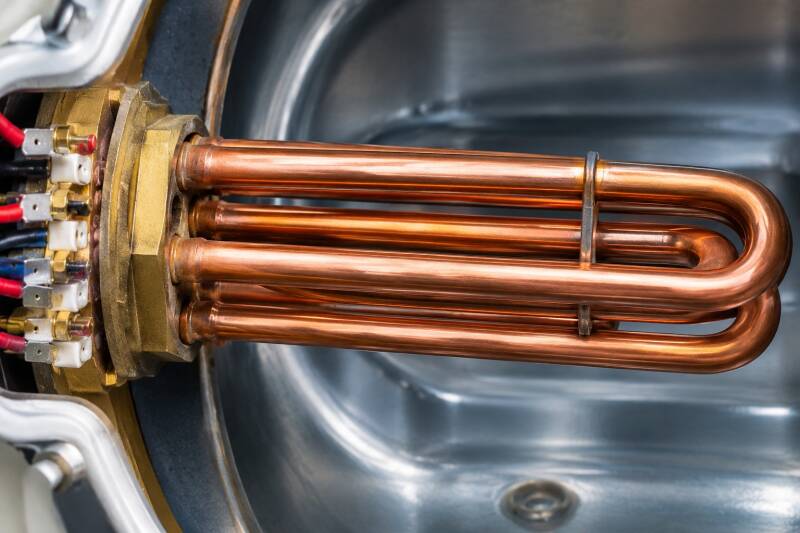
1. The Fine Print: What Water Heater Warranties Actually Say Major water heater manufacturers (such as Rinnai, Navien, Rheem, and AO Smith) design their heating exchange heat matrices with micro-channels to achieve maximum energy efficiency. However, when hard water (water containing over 7 to 10 Grains Per Gallon of hardness) passes through these blazing hot heat exchangers, calcium and magnesium instantly precipitate out of solution, forming a rock-hard layer of limescale.
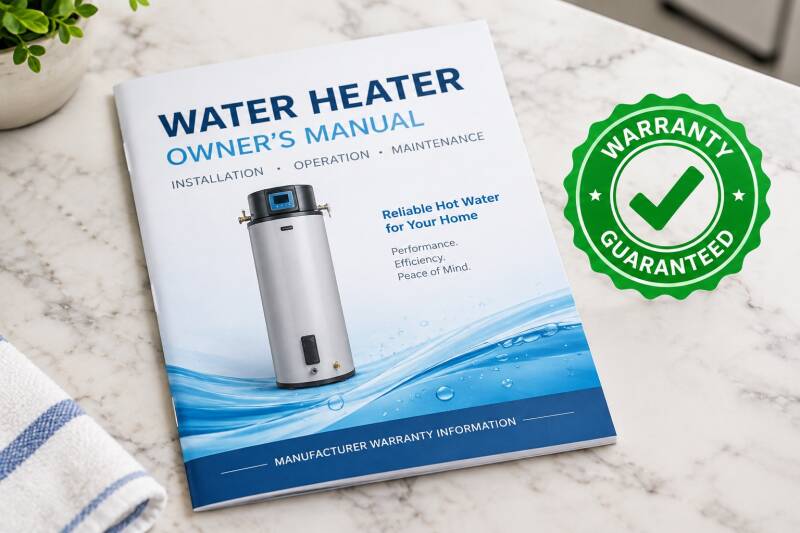
If you read the fine print under the "Exclusions & Limitations" section of almost any water heater warranty manual, you will find language similar to this:
"This warranty does not cover failure, malfunction, or damage resulting from operation in severely hard, corrosive, or untreated water conditions, or damage caused by limescale deposit buildup."
In plain English: If your heat exchanger fails because it choked on Texas calcium scale, the manufacturer will deny your warranty claim, leaving you with a massive bill for a full replacement.
2. How Hard Water Destroys Your Appliance
-
The Insulating Scale Layer: Limescale has extremely low thermal conductivity. A thin 1/8-inch layer of scale inside your tank or exchanger acts like a heavy insulating blanket between the flame and the water. The heat exchanger has to burn much hotter to heat the water, causing thermal stress, metal fatigue, and eventual heat exchanger cracking.
-
Popping and Rumbling: In traditional tank heaters, scale settles at the bottom. Water trapped beneath the scale turns to steam and explodes out, creating loud popping noises and prematurely eroding the glass lining of the tank.
3. The Softener & Anode Rod Myth: What You Need to Know Some plumbers warn that softened water can increase the consumption rate of a water heater’s internal sacrificial anode rod. This is partially true: softened water increases electrical conductivity slightly, which causes the protective anode rod (designed to rust so your tank doesn't) to wear down a bit faster.
However, this is NOT a reason to avoid a softener! The simple solution is maintenance:
-
Inspect or replace the anode rod in your tank heater every 2 to 3 years (a quick $30 part).
-
By replacing the inexpensive anode rod periodically, you get the double benefit of zero scale buildup AND complete tank rust protection, keeping your full manufacturer warranty 100% intact.
Call to Action: Don't let Texas limescale destroy your hot water investment and void your warranty. Contact Aqua Tech Texas today for a professional water hardness test and ensure your water heater is fully protected!
Add comment
Comments